News • Oct 27 2026
news • Nov 16 2026
news • Nov 16 2026
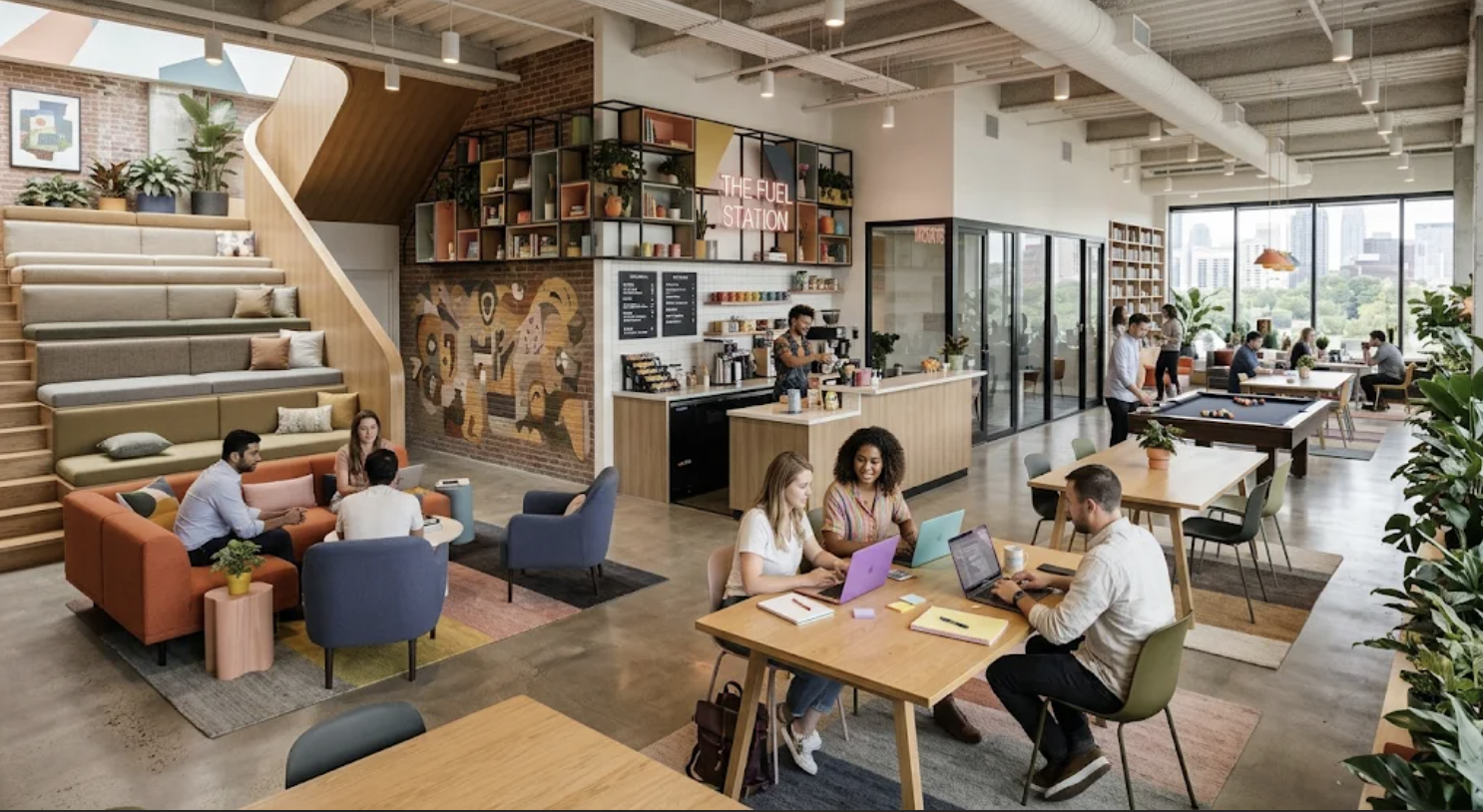
The commercial real estate landscape is evolving, and coworking spaces are playing an increasingly important role in shaping its future. Now influential players in the office market, these spaces offer more than just desks and meeting rooms. They provide collaborative environments and valuable amenities that appeal to startups, established corporations, and remote professionals alike. Now a multibillion-dollar industry that bridges the technology, science, and digital realms, coworking spaces have become a new model for how people work, collaborate, and interact with their professional environments. Understanding their impact is essential to understanding where the office market is going next. What began as a shared-office concept has developed into a sophisticated real estate offering that combines hospitality, technology, community, and flexible workspace solutions. Below, we explore the many ways that coworking spaces are changing the professional world.
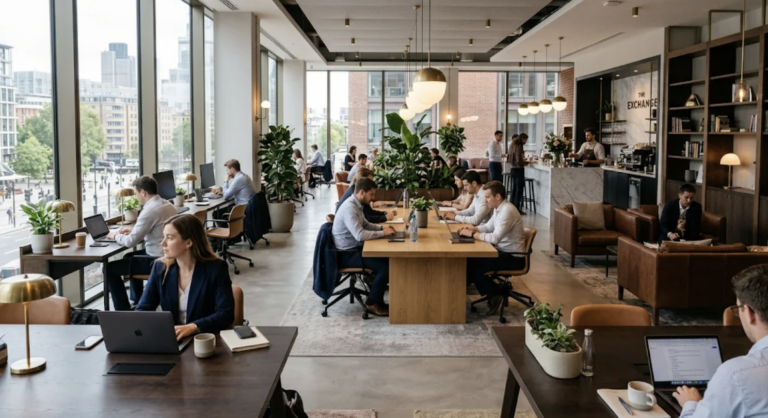
In 2008, only about 160 coworking spaces existed worldwide. In 2018, there were close to 19,000, according to the MIT Sloan Management Review. But when the COVID-19 pandemic hit, many predicted that coworking would permanently lose its appeal. However, the results couldn’t have been more different. Experts declared that coworking spaces grew in importance, and not just for entrepreneurs and freelancers, who commonly use these spaces. Instead, many large companies found a great use for them. Fast forward to several years beyond the pandemic, and coworking spaces are seeing remarkable growth. The Coworking Spaces Market size is expected to grow from $25.81 billion in 2026 to $28.12 billion in 2027. It’s even forecast to reach $43.16 billion by 2032 at 8.95% CAGR over 2027-2032, a recent study showed.
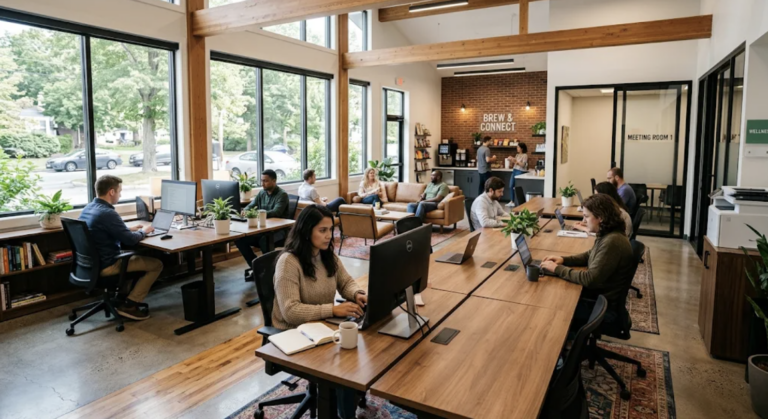
In the urban environment, it’s not unusual to find coworking spaces in downtown areas. But one of the greatest areas of growth in coworking is in suburban and rural environments. The Mecklenburg Times shared that suburban locations have commanded most of the shared workspace for some time now, and they continue to expand at a much higher rate than those in urban areas. Their data show that the number of suburban coworking locations expanded from 4,484 in July 2024 to 4,971 in July 2025. They then climbed sharply to 6,247 by July 2026. That amounts to a 39% increase across the two years.
Rural environments are ripe for an expansion of coworking spaces, and students are even exploring rural coworking and entrepreneurship in business school. Preliminary findings by students at the University of Vermont found that rural coworking hubs are more than just office alternatives. They are engines for innovation, community-building, and economic resilience.
“It’s really important that coworking spaces are shapable and adapt to their region’s personalities and needs,” said one student. “Spaces need to have strong community connections.”
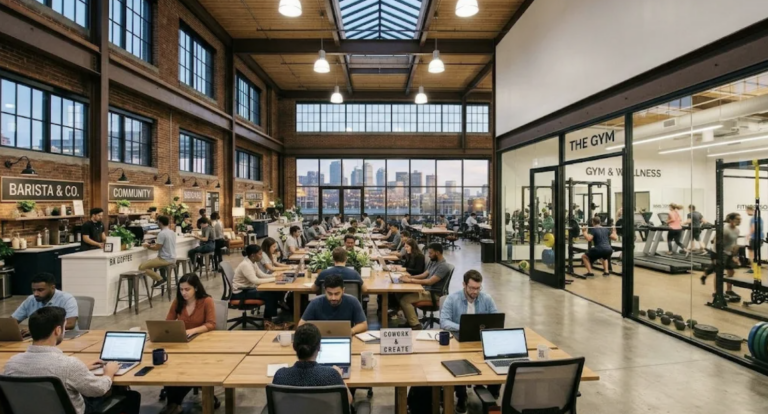
In 2022, Minneapolis welcomed The Wilderness, a coworking space that aims to promote wellness by bringing fitness to the office. Boasting everything from a rock-climbing wall to full weight equipment, the venue allows members to incorporate fitness into their workday. They’re not alone: Monday Río in Madrid, The Address in India, and The Ministry in London are spots that allow members to attend workout classes or hit the juice bar. The results are incredibly beneficial. A research paper from Harvard Business Review found that including exercise as a regular part of your daily routine improves physical and mental well-being. That’s why experts are praising the trend.
“Co-locating fitness with flex space means users can prioritize health and wellness alongside their professional careers,” said Scott Homa, Head of Property Sectors Research for JLL Americas. This is just another facet of the phenomenon we’ll likely see continue to grow.
Ultimately, the changing face of coworking spaces represents an exciting evolution in the way we work, connect, and collaborate. Today’s workplaces can be more flexible, community-driven, and responsive to the needs of a modern workforce. As businesses embrace hybrid work models and employees place greater value on flexibility, convenience, and meaningful connections, coworking spaces will play an increasingly important role in the future of commercial real estate. More than simply providing a place to work, these environments are creating opportunities for collaboration, innovation, and community. They’re proving that the future of the workplace is not just about where we work, but how we work best together.
News • Oct 27 2026
News • Oct 15 2026
Generis Collective can be your single point of contact for all your property development needs- providing leadership across every stage of your project and managing all moving parts. Let’s connect and start transforming your guest experience.