News • Oct 15 2026
news • Oct 27 2026
news • Oct 27 2026
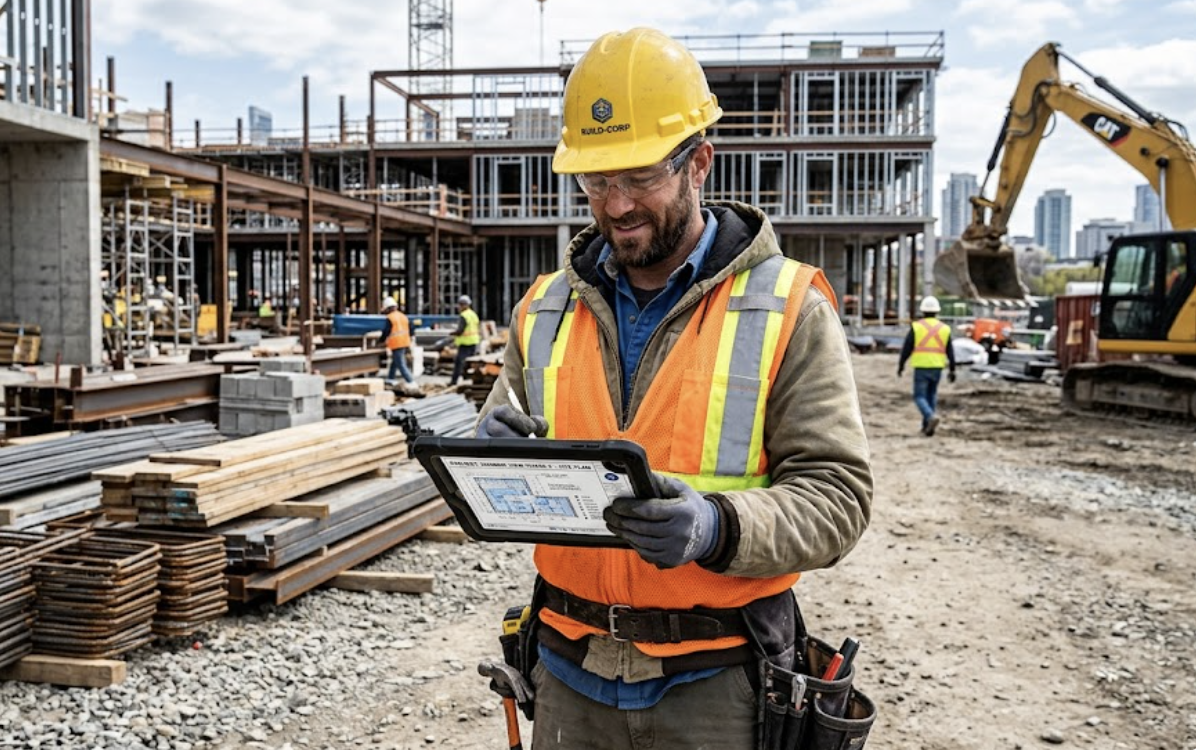
Construction sites are among the most complex and unpredictable working environments. From operating heavy machinery and working at heights to coordinating multiple contractors and navigating changing site conditions, construction professionals face safety challenges every day. The industry has relied on safety training, protective equipment, inspections, and established procedures to reduce workplace accidents for decades. These measures are still essential. However, they often depend on human observation and the ability to recognize hazards before an incident occurs. Below, we explore how artificial intelligence (AI) is creating new opportunities to improve this approach. The future of construction safety won’t depend on AI replacing human expertise. Instead, it will depend on AI helping people make better, faster, and more informed decisions.
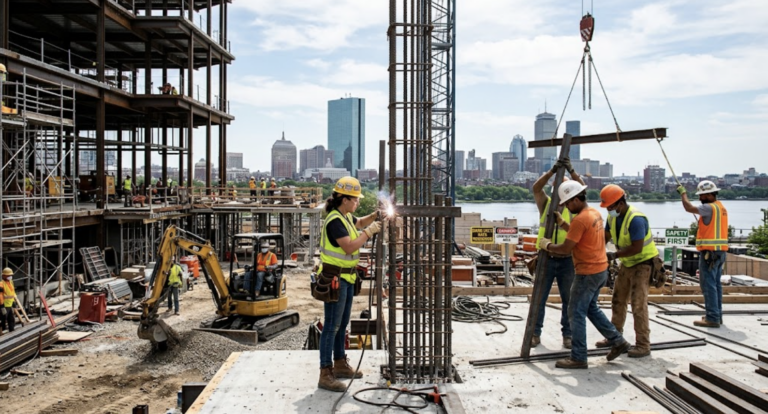
When it comes to manual labor, there is very little margin for error. However, construction sites do face accidents. According to OSHA’s online center, the construction industry has the most fatal injuries, with 1 in 5 fatal injuries reported on construction sites. Those injuries are particularly expensive, with experts saying that the damage costs around $11.5 billion on average. However, firms in the AECO industries are seeing tremendous opportunities in AI to improve productivity, reduce operating costs, and enhance safety in construction projects, Autodesk reports. According to the 2025 Autodesk Design & Make Report, over 76% of leaders say they are increasing their investment in AI, up 9% from the previous year. This is an important predictor of the changing tides in the industry.
One of the best components of AI on the construction site is its ability to detect a dangerous situation before something bad happens. This applies everywhere from the personal protective equipment workers wear to AI-powered wearable devices and smart sensors that monitor worker health. AI-powered cameras can monitor whether workers are wearing required personal protective equipment like hard hats, high-visibility vests, and safety goggles. If the system detects a possible violation, it can alert a supervisor so the problem can be addressed quickly. Site cameras and drones can analyze footage to identify potential dangers, like unprotected edges and floor openings, or workers standing too close to heavy machinery. This not only protects workers, but helps safety managers respond to hazards before they cause harm. One strong example is how construction company Bechtel uses VR simulations for high-risk activities like scaffolding and crane operations.
“AI tools will soon be able to identify if a worker isn’t wearing their helmet or safety gloves, or flag risk areas ranging from the improper placement of a ladder to a missing fire extinguisher,” Todd Friis, an executive who oversees risk management at Clayco, told the Engineering News-Record. “Thanks to machine learning capabilities, the AI tools will get even smarter over time to quickly flag safety issues that could be missed by the human eye.”
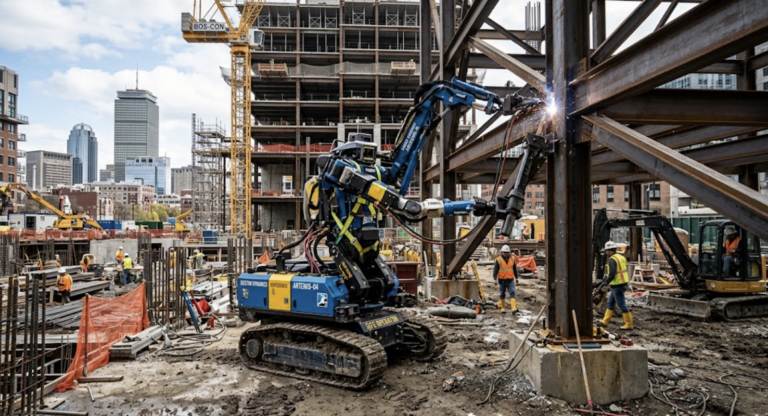
AI-powered robots can help workers perform tasks that are repetitive, physically demanding, or hazardous. Consider a difficult-to-access structure on a construction site that would require a highly trained individual to assess it. Using sensors and computer vision, a robot can perform this task at a much lower level of risk. Handling heavy construction materials, assisting with bricklaying and other repetitive work, and supporting demolition in dangerous environments are just a few of the responsibilities that robots can take over without putting any risk to human life.
“These technologies can reduce worker exposure to falls, heavy lifting, repetitive motion, hazardous environments, and other high-risk activities,” the CDC shared. “At the same time, introducing robots into active construction sites creates new situations for workers and automated equipment to occupy the same workspace.”
As construction continues to face an operator crisis, the automation industry is watching. This week, Bedrock Robotics closed a $600 million funding round that values the autonomous construction equipment startup at $4.1 billion, marking one of the largest robotics investments this year. These numbers will only continue to increase with time, and the number of augmented reality and virtual reality users is expected to reach 3,728 million by 2029. From accident prevention and real-time monitoring to emergency management and equipment safety, those in leadership roles must consider just how significant AI can be on their construction sites going forward.
News • Oct 15 2026
News • Sep 23 2026
Generis Collective can be your single point of contact for all your property development needs- providing leadership across every stage of your project and managing all moving parts. Let’s connect and start transforming your guest experience.