News • Oct 15 2026
news • Apr 28 2026
news • Apr 28 2026
The global wellness industry is worth $2 trillion, and it’s taking Europe by storm.
As wellness evolves into a daily practice instead of an occasional luxury, the world is taking notice. In Europe, wellness is expanding at warp speed, with a level of growth that’s occurring everywhere from wellness-focused resorts and real estate to large-scale diagnostic hubs that resemble the American proliferation of urgent care institutions. This all-encompassing phenomenon is moving from a niche trend to a mainstream way of life for Europeans and tourists alike.
In a recent analysis by CBRE, the shift to mainstream popularity demonstrates that the transition to prominence isn’t just one that benefits the physical and mental health of Europeans. It’s also a positive boost for landlords and business owners looking to find reliable tenants in an unstable market.
“The European wellness economy is experiencing rapid growth, with wellness real estate the fastest-growing segment. Shopping centres are responding by creating dedicated wellness zones and experience stores, from IV therapy clinics to immersive spa concepts,” the piece reads. “This integration reflects a broader consumer shift toward holistic wellbeing, offering landlords a powerful tool to differentiate assets.”
Here is a look at why Europe is set to become the world’s next hotbed of wellness.
The European shift to a wellness mindset is one that can be explained by cold, hard facts. By 2050, Europe is expected to see 34 million more people aged over 65. This demographic shift will significantly increase demand for healthcare services and wellness offerings. Simply put, an aging population requires more medical care.
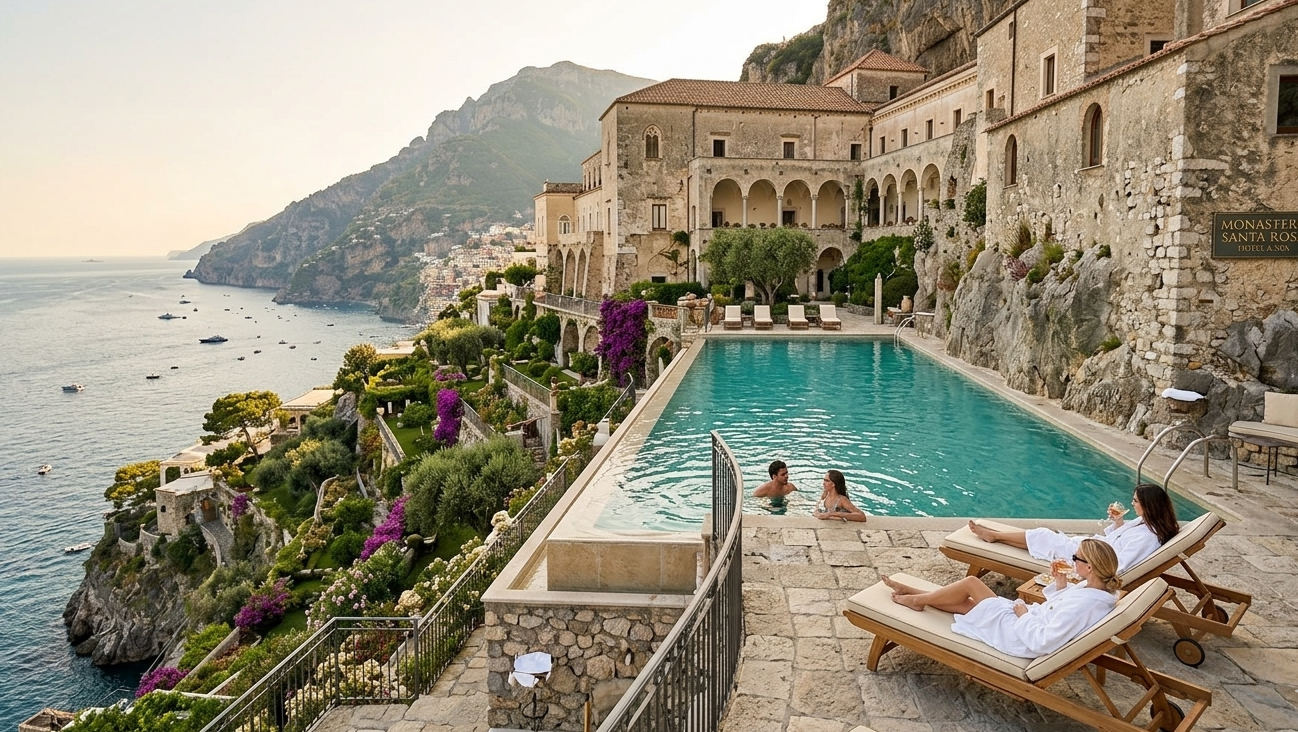
Europe also offers a lot of features that many other destinations can’t. Many of its cities are walkable, and it boasts a history that stretches back much further than America’s. That provides the opportunity for wellness-focused trips to places like ancient monasteries and thermal baths that go back to the Roman era. Without extensive travel distances between countries, both residents and tourists can hop between countries with an ease that’s often unavailable to people in America.
Europe has always had a great emphasis on work-life balance and vacation time in a way that other areas haven’t. This makes Europeans more apt to appreciate wellness culture, as the continent is set to experience a surge in spa tourism, with a wide array of new wellness centres and thermal resorts opening across the continent in 2026.
But perhaps the greatest reason for Europe’s wellness expansion is its potential. In America, 84 percent of US consumers say wellness is a “top” or “important” priority. In the United Kingdom, that figure is 79 percent. With the phenomenon spreading rapidly across Europe, experts are recognizing where the best growth opportunities exist.
With the surge in wellness taking Europe by storm, the hotel and tourism industries are investing millions of dollars in creating an atmosphere that caters to those looking to experience it.
In Q2 of this year, Hilton’s first luxury resort in Greece, Conrad Corfu, will open in the beachtown of Molos on the Greek island of Corfu. The property will feature a design that celebrates the waterfront location with a series of lagoons and pools, as well as a “modern, lifestyle-driven approach to wellbeing” that includes everything from thermal facilities to a dedicated hand and foot specialist.
Similarly, BodyHoliday, the wellness resort based in Saint Lucia, just announced plans to open its first European property in the Algarve region of Portugal in 2029. Even existing properties, like the Four Seasons Hotel London, just opened spa memberships, meant to capitalize on guests’ intentions to improve their health and wellbeing in the New Year.
In a unique partnership that shows the area’s dedication to the wellness phenomenon, governments are playing a significant role in the promotion of spa tourism. Authorities across Europe, from the UK to Italy and Germany, are integrating wellness experiences into their broader tourism marketing campaigns, Travel and Tourism World reported.
The wellness expansion goes beyond Europe’s hotel and tourism industry, with a firm foundation in the corporate wellness market. Last year, WellHub acquired Urban Sports Club, demonstrating how fitness, healthcare, and wellness (commonly referred to as FHW) tenants are becoming increasingly integral to successful retail destinations.
“The corporate wellness market in Europe is experiencing substantial growth, driven by factors such as increasing awareness of mental health, rising healthcare costs, and a shift towards hybrid work models,” the announcement read.
With over 80% of dominant regional shopping centers in Europe now featuring at least one FHW tenant, these shopping centers are reinforcing their role as lifestyle destinations. As a result, the European fitness market grew by nearly 10% in 2024.
This affects the medical industry as well, which is working to eliminate the extensive wait times and aging infrastructure of traditional hospital care by expanding large-scale diagnostic hubs like urgent care centers to easily-accessible shopping centers. For landlords, this is also a boon, since healthcare tenants provide a stable income due to the fact that adequate medical care will always be needed because people will always be sick and need treatment.
The Global Wellness Institute projects that wellness tourism will reach a market size of $9 trillion by 2028, and Europe is taking notice. In Europe, an all-encompassing perspective on wellness that embraces everything from wellness tourism to medical care and fitness destinations will see this phenomenon grow from a niche to a necessity.
For companies looking to find the new frontier of wellness, it’s important to strike while the iron is hot. In Europe, it’s absolutely steaming. Now is the time to plan for a future Europe that takes hold of a future that embraces wellness.
News • Oct 15 2026
News • Sep 23 2026
Generis Collective can be your single point of contact for all your property development needs- providing leadership across every stage of your project and managing all moving parts. Let’s connect and start transforming your guest experience.