News • Sep 23 2026
news • Jun 25 2026
news • Jun 25 2026
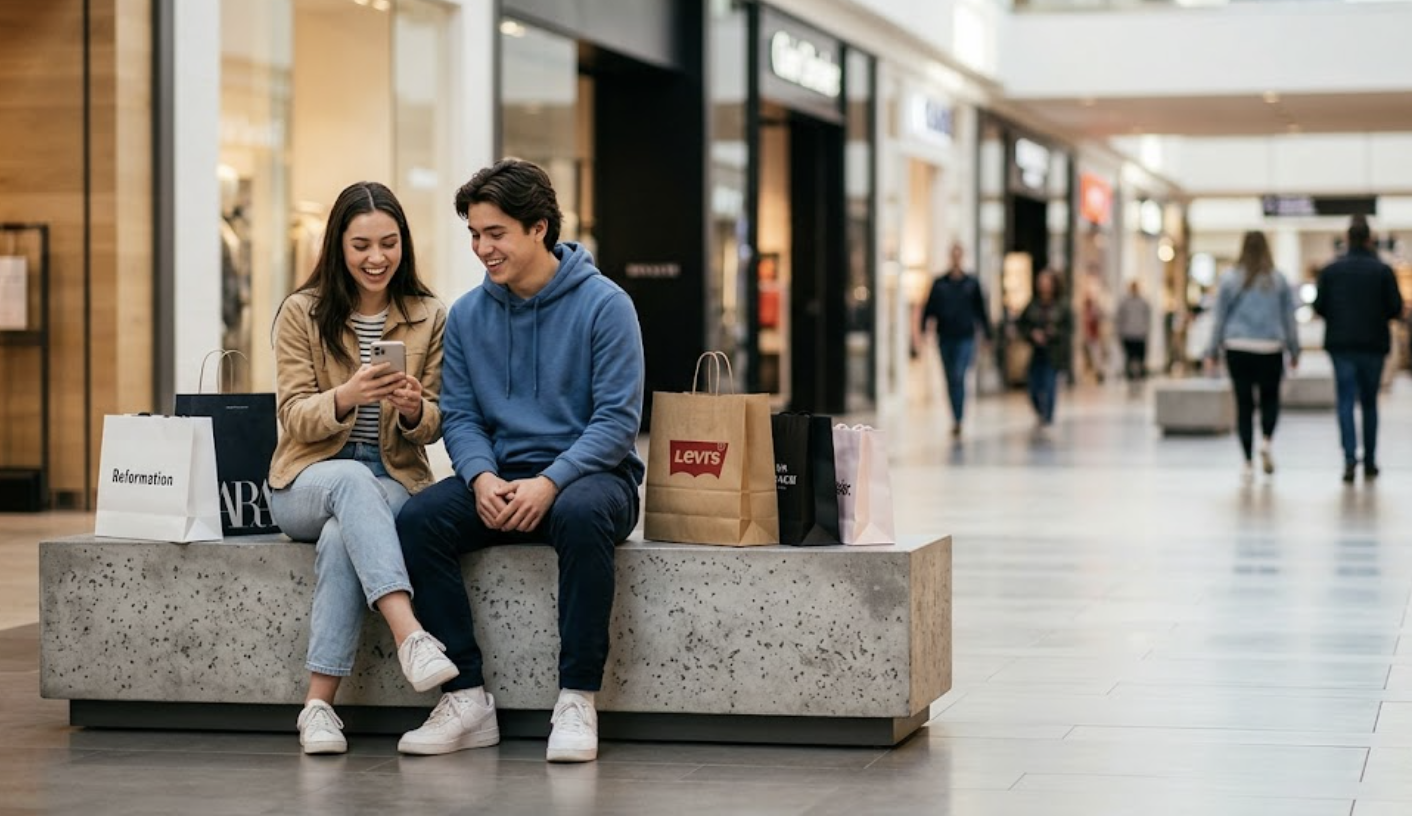
When it comes to shopping, Gen Z is ruling the retail roost. Also known as Zoomers, they’re the digitally-native population born between 1997 and 2012. Socially conscious and quick to grab their smartphones, they’re also making tremendous waves for their love of brick-and-mortar shopping– and they’re transforming retail culture.
Gen Z’s retail-spending growth is outpacing all other generations, according to data firm NielsenIQ, with the generation’s global annual retail spending expected to exceed $12 trillion by 2030. The generation also spends a greater proportion of their discretionary dollars in physical stores than older generations, according to data firm Circana. In fact, shoppers between the ages of 18 and 24 bought 62% of their total general merchandise purchases in stores last year.
Instead of ditching their digital inclinations to go solely analog, Gen Z has found a way to incorporate them into their shopping behavior by using their TikTok feeds as inspiration. As a result, Gen Z’s shopping decisions have become a clear indicator of how brands can sustain themselves in a complex retail culture.
While shopping malls are often associated with the ‘80s and Generation X, they’ve become a touchstone for Gen Z, who largely spent their formative years at home during the COVID pandemic. Now, getting out into the world is considered an exciting endeavor.
“The first digitally native generation is resurrecting an old-fashioned American pastime: Shopping at the mall,” the Wall Street Journal shared in a recent piece, noting that Gen Z has helped boost a recent recovery, creating demand for mall space to rise again.
Gen Z-ers get inspiration for their purchases from TikTok (“I get outfit inspo from online and then I come into the stores to buy,” one interviewee shared), and also document it all on social media, which is great for promoting each venue. Mall owners are taking notice, of course. The WSJ noted that mall owner Macerich, which owns more than three dozen malls across the country, is intentionally courting online retailers popular with Gen Z. The company is also redesigning some of its malls’ common areas with social media in mind. They’re painting staircases and the nooks under escalators in bright, eye-catching designs to encourage impromptu photoshoots.
In a unique twist, several online retailers are opening traditional stores inside malls, which are capitalizing on Gen Z’s search for experiences. At the American Dream mall in New Jersey, you’ll find musicians like the Jonas Brothers and K-pop stars, including Hwasa and Taemin. Its sister establishment, the Mall of America, hosted a fan meet and greet with the K-pop girl group Katseye, celebrating a new store opening, the Guardian shared.
“Shopping should be more and more an event,” Adam Petrick, chief marketing officer of the American Dream mall, said. “It should be an experience. It shouldn’t just be ‘I’m driving down to buy a pair of socks at the Gap.’ It should be more exciting than that, and it should be something that people are able to do together.”
West Coast malls are particularly successful thus far with Gen Z-ers, with California being the top state with a 62% gain in foot traffic.
To cater specifically to the new Gen Z shoppers, brands are reinventing their stores with them in mind. Under Armour, the sports behemoth that previously targeted the crowd known for following professional athletes like Tom Brady, has created smaller spaces than their traditional, palatial stores. Instead, they created the Sports House. Downsizing from approximately 8,300 square feet, the Under Armour Sports House will occupy 4,953.
“This is not just a new store. It’s a SPORTS HOUSE,” the sportswear company said in a statement to FFXnow. “It’s a Gen Z-coded beacon that brings together athletes, sports, innovation, and passion. It’s a bold physical expression of our brand transformation, designed to win the attention, trust, and loyalty of the 16 to 24-year-old team athlete.”
Similarly, Pacsun, the American clothing retail brand known for skate and surfwear-friendly styles, is also growing. After years of shrinking its footprint, the mall staple grew its store count last year for the first time in 18 years. The company plans to open up to 35 new stores by 2029, the WSJ noted.
Gen Alpha, the children of millennials, are also leaning into shopping in stores. While it may feel as if this population has yet to really matter, that’s not true. These young people love to shop, and it’s Millennial money that they’re spending. 73% of Gen Alpha prefer to shop in stores, most likely because they want the personal experience of going into a store rather than shopping online.
“Gen Alpha, having entirely grown up with screens, conversely sees in-store shopping as the more novel experience. Gen Alpha likes brick-and-mortar stores because of the hands-on experience, and the fun and social aspect, per the report,” RetailBrew shared, noting that Gen Alpha loves and leans into brands like Lego and Build-a-Bear, while older shoppers name Nike and Apple. Target, Five Below, Sephora, and Crocs were also favorites across Gen Alpha.
With over $100 billion in spending power, which comes out to nearly half of household spending, per an August report by DKC, Mintel expects their spending power to balloon to $5.5 trillion by 2029.
While Gen Z also prefers an in-store experience, Gen Alpha differs in their desire for interactivity in stores. Over half will leave a store if there isn’t anything for them to try out. This emphasis on immersive experiences shows that brands must memorably activate their merchandise.
Gen Z has the power to revolutionize the shopping experience. However, they’re not willing to do that without brands actively engaging with them. This means strong social media presences, in-store engagements, events, and places to socialize that encourage spending.
“In a throwback to earlier generations like Gen X, Gen Z views the mall as not just a shopping destination but also a place to socialize with friends, experience in-store events, and have physical interaction with brands,” the Guardian shared. For a population that tends to feel isolated, sixty-seven percent of respondents told USA Today that stores with social or community features make them feel less so.
“The simple experience of shopping in person feels novel,” Furman said. “It is a sensory and social experience they can’t replicate through their screens.”
News • Sep 23 2026
News • Sep 01 2026
Generis Collective can be your single point of contact for all your property development needs- providing leadership across every stage of your project and managing all moving parts. Let’s connect and start transforming your guest experience.